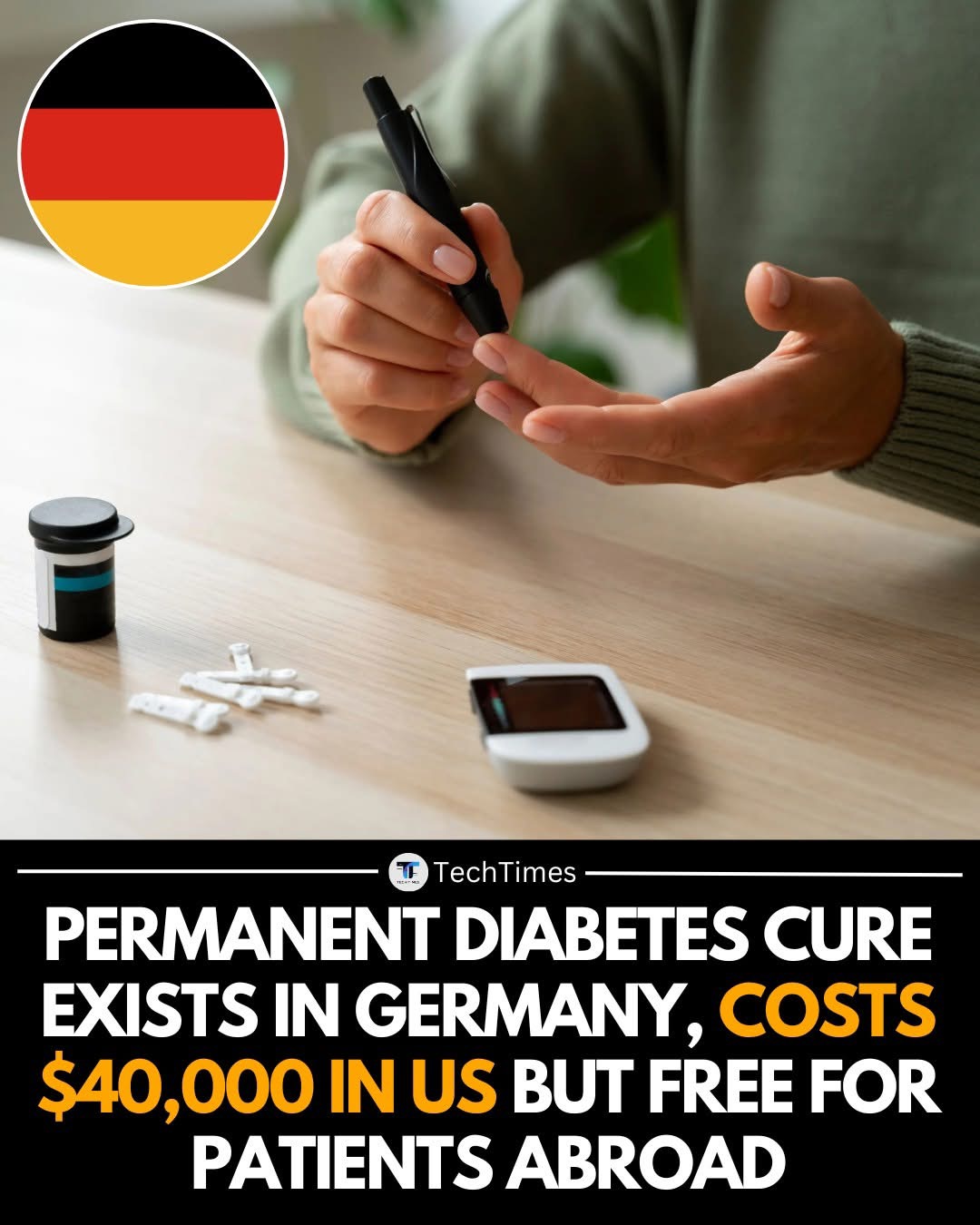
German scientists have developed a pioneering stem-cell–based therapy capable of restoring natural insulin production in many people with Type 1 diabetes. By reprogramming a patient’s own cells into fully functioning beta cells and implanting them back into the pancreas, the treatment addresses both the loss of insulin and the autoimmune attack that caused the disease in the first place. Early trials show that over 80% of treated patients become insulin-independent within months, maintaining stable blood sugar levels for years.
What makes this development especially significant is how differently it’s accessed around the world. In Germany and other countries with universal healthcare, much of the treatment cost is covered, making the cure accessible to ordinary patients. In contrast, U.S. patients face out-of-pocket costs reaching $40,000 or more, as insurers label the therapy “experimental.” This forces many Americans to seek treatment abroad, raising questions about equity and fairness in healthcare systems.
The stark price gap has reignited debates about how life-saving medical innovation is funded and who gets access to it. Advocates argue that breakthroughs like this should be available without financial barriers, while others point to the challenges of bringing new therapies to market. The situation highlights a global divide that becomes painfully clear when one country’s medical miracle becomes another’s financial burden.
#DiabetesCure #MedicalInnovation #HealthcareAccess #StemCellTherapy #GlobalHealth