A Japanese research team has introduced a breakthrough cancer treatment called AUN — a therapy designed to work independently of the immune system. Instead of relying on immune responses to attack tumors, scientists engineered two specialized bacteria, Proteus mirabilis and Rhodopseudomonas palustris, to locate, invade, and destroy cancer cells directly. This makes the therapy especially promising for patients whose immune systems are weakened by illness, age, or previous treatments.
These bacteria operate in a synchronized system: one type helps identify and infiltrate tumor sites, while the other produces compounds that break down cancer cells from within. Once inside the tumor microenvironment, the bacteria adapt to low-oxygen conditions and avoid triggering the dangerous cytokine storms sometimes seen in other experimental therapies. Their precision allows them to target cancerous tissue while minimizing harm to surrounding healthy cells.
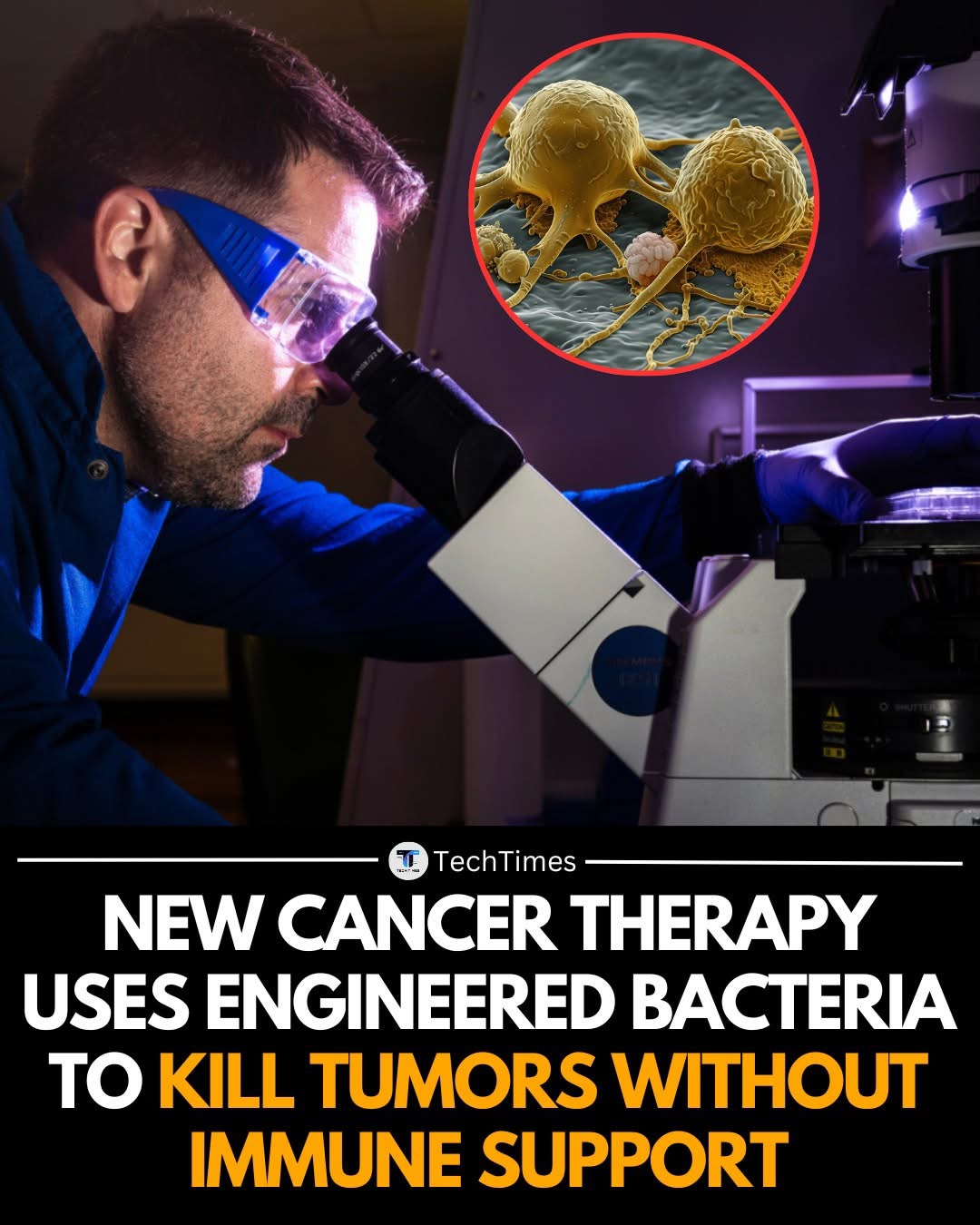
The development of AUN marks an important shift in cancer treatment research. By removing the need for immune activation, it opens new possibilities for patients who cannot tolerate immunotherapy or whose cancers resist conventional approaches. While clinical trials are still in early stages, the technology could become a powerful tool in the global fight against aggressive and treatment-resistant tumors.
#CancerResearch #MedicalBreakthrough #BacterialTherapy #JapanScience #OncologyInnovation